
Bring a Trailer Auctions
Bring a Trailer AuctionsAuto & Vehicles
4.9183.00 Reviews
- Version
- 1.3.15-0
- Installs
- 50.00K
- Age Rating
- Everyone
Screenshots
Our Review of Bring a Trailer Auctions
 Analysis by Appyee
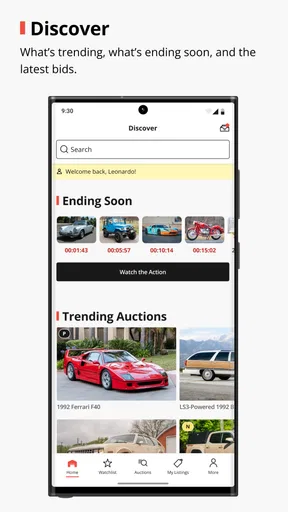
I approached Bring a Trailer Auctions as a browsing and buying companion for people who care about classic, collector, and enthusiast vehicles. It is an Auto & Vehicles app from Bring a Trailer Auctions, and the basic decision is refreshingly simple: access is free, the app is rated for Everyone, and it is designed around discovering listings, following conversations, and taking part in vehicle auctions rather than acting like a general-purpose car marketplace.
That focus matters. A broad classifieds app is usually built for quick searches, local inventory, and direct contact with sellers. This app feels more appropriate when the vehicle itself deserves careful attention. I found the appeal in slowing down, reading the listing closely, looking through the available presentation, and paying attention to the discussion around a car instead of treating every result as a short advertisement.
The app has a 4.9 average from around 1.8 thousand ratings, with over 50 thousand installs and 183 written reviews. Those figures suggest that its audience is relatively focused and enthusiastic, rather than made up of casual users who only open a car app when they urgently need transportation. It is free to install, so trying it does not require a purchase commitment. The important financial distinction is that free access is not the same as free participation in an auction: the app can help you research and follow vehicles, but any actual purchase decision remains a separate financial commitment.
How the app creates value before money changes hands
I find the app’s clearest value is in helping me think through a vehicle before an auction turns interest into a financial decision. I can use the time spent exploring a listing to sort genuine questions from first impressions, then carry those questions into independent research. That makes the browsing stage more useful—and sets up a closer look at how the app’s current version fits into that process.
A focused place for vehicle discovery
My favorite part of the experience is the way the app supports browsing as a deliberate activity. Instead of opening it only with a precise make and model in mind, I can use it to notice unusual vehicles, compare different kinds of collector appeal, and learn what details other enthusiasts consider important. That makes it useful even when I am not ready to bid.
This is also where it differs from ordinary car-shopping tools. A conventional marketplace is often strongest when I already know the distance, body style, and price range I want. Bring a Trailer Auctions is more interesting when the search begins with curiosity: a rare configuration, an older performance car, a well-preserved utility vehicle, or something with a story that would be easy to miss in a standard inventory grid.
I would not treat every listing as a complete substitute for independent research. The app is a place to inspect an opportunity and understand the conversation around it, not a reason to skip checking ownership documents, condition, maintenance history, transport costs, or any inspection that makes sense for the vehicle. Collector cars can look compelling on a screen while still demanding serious questions in the real world.
Why the discussion has practical value
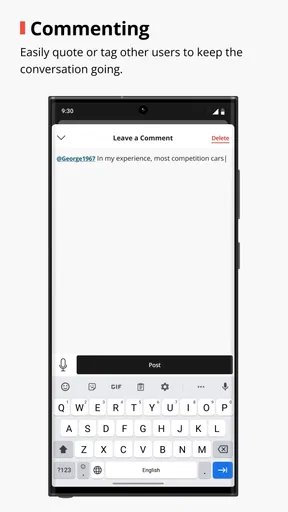
The discussion element is more than decoration. For an enthusiast, comments can point attention toward details that a quick glance would miss: a specification that deserves verification, a visible inconsistency, a question about originality, or an aspect of the vehicle’s history that should be investigated before bidding. I see this as one of the app’s strongest reasons to exist on a phone rather than simply relying on a browser page.
There is a useful reading habit here. I would first form my own impression from the listing, then read the discussion with a skeptical eye, and finally create a short checklist of questions. That order helps prevent the loudest comment from becoming my entire opinion. It also turns passive scrolling into a repeatable research workflow.
A second practical tip is to separate emotional interest from purchase readiness. I might save a vehicle mentally because it has the right look, but that does not mean it fits my budget, storage situation, mechanical ability, or transport plans. The app makes discovery enjoyable; the discipline has to come from the user.
Using the app in an everyday buying scenario
Imagine I am considering an older enthusiast vehicle for weekend use. I can open the app during a commute break, inspect current and completed auction activity, read through questions, and note which points need confirmation. Later, I can discuss those points with a mechanic or specialist before deciding whether the vehicle deserves serious attention.
That workflow is more realistic than assuming a few minutes of browsing can produce a safe purchase. The app is valuable at the early and middle stages: finding candidates, learning the language of a particular vehicle type, and identifying questions. It is less suitable as the only tool for final verification, especially when I cannot inspect the car personally.
What free access really means here
Because the app itself is free, there is no paid tier or entry price I need to weigh before exploring it. That gives it a low-risk role in my routine. I can use it for education and market awareness even if I never bid on anything.
The value equation changes as soon as I move from browsing to buying. The app does not make a vehicle affordable, remove auction risk, or turn an enthusiast purchase into a predictable expense. I would budget for the complete transaction rather than focusing only on the amount I hope to bid. That broader view includes inspection, transport, registration, storage, insurance, and repairs where relevant, even though those costs are outside the app itself.
This is why I would describe the app’s confirmed value as free access to a specialized discovery and discussion experience, not as a promise of a bargain. It can improve how I research a vehicle, but it cannot guarantee that the vehicle is a good deal or that winning an auction will be financially comfortable.
Where the experience can become demanding
The same enthusiast focus that makes the app appealing can also make it less convenient for a casual shopper. If I only want a dependable daily car, a local used-vehicle marketplace is probably faster. Such services are generally better suited to filtering by practical needs, arranging a nearby viewing, and comparing ordinary transportation options.
This app also rewards patience. A collector vehicle often needs more reading than a standard listing, and the discussion can introduce useful nuance rather than instant certainty. Users who prefer a quick price, a short description, and a simple contact button may find the process slower than expected.
A further trade-off is emotional momentum. Attractive photography, an unusual history, and an active conversation can make a vehicle feel more attainable than it really is. I would avoid bidding immediately after discovering a listing. A cooling-off period, a written maximum budget, and a prearranged inspection plan are better safeguards than enthusiasm alone.
Questions I would answer before taking part
One question is whether the app is useful without buying a car. In my view, yes. Its discovery and discussion value stands on its own for research, collecting ideas, and learning how experienced enthusiasts evaluate vehicles. A person can benefit from it without ever becoming a bidder.
Another question is whether it replaces a mechanic or inspection. It does not. The app can help me decide what to ask an inspector, but screen-based information cannot establish the complete mechanical condition of a vehicle. I would still arrange appropriate verification before committing meaningful money.
It is also worth asking whether free installation means there are no financial consequences. No. The app is free, but the vehicles presented through an auction environment are purchase opportunities, not complimentary items. I would treat every bid as a serious financial decision and confirm the full terms of the transaction before acting.
Users may wonder whether it is suitable for someone who knows little about collector cars. I think it can be, provided that beginner users read slowly and avoid treating comments as unquestionable expert advice. The discussions can teach useful vocabulary and inspection priorities, but beginners should be especially careful about confusing confidence with proof.
Finally, I would ask whether it is better than a browser or a general marketplace. That depends on the job. For focused enthusiast discovery and following auction conversations, this app is the more natural choice. For local commuting cars, rapid price comparisons, or a straightforward private sale, a general marketplace may be more efficient.
Who will get the most from it
I would recommend it to collectors, hobbyists, restoration-minded buyers, and people who enjoy understanding why a particular vehicle matters. It is also useful for someone building a long-term shortlist rather than purchasing immediately. The free entry makes it easy to use as a reference tool while learning about different eras, models, and configurations.
It can serve experienced buyers in a different way. Someone who already knows what to inspect may appreciate the ability to monitor opportunities and read the community’s questions in one focused environment. The app does not replace expertise, but it can make the early research stage more convenient and more engaging.
I would be more cautious recommending it to a first-time buyer with a strict practical requirement, such as needing reliable transportation by a specific date. Collector and enthusiast vehicles can involve uncertainty, logistics, and ongoing expense that do not fit a simple daily-driver plan. In that situation, a conventional vehicle marketplace, a local dealer, or a trusted inspection-led buying process may offer better value.
I would also tell bargain hunters to adjust their expectations. The app can reveal interesting opportunities, but free access should not be confused with guaranteed low prices. Its real benefit is access to a concentrated environment for evaluation and conversation, not a promise that every listing will be inexpensive.
Details that matter when deciding to install
The app was released on February 14, 2024, and the current version is 1.3.15-0. It requires Android 7.0 or later, which makes it accessible on many older Android devices. I would still keep the app updated when possible, particularly for an auction-focused service where reliable loading and timely access matter.
The Everyone content rating makes sense for a vehicle discovery app, although the subject matter is aimed more at mature interests than at children looking for entertainment. The developer is Bring a Trailer Auctions, which keeps the product identity closely aligned with the auction community it serves.
One subtle strength is that the app can fit different levels of commitment. I can use it for a few minutes of browsing, return to a vehicle later in my research process, or make it part of a more serious pre-purchase routine. That flexibility is more useful than a simple “shop now” experience because collector decisions rarely happen in one sitting.
My main caution is to maintain a clear boundary between information and verification. I would record the questions raised by a listing, check the answers against reliable documentation, and involve a qualified person when the vehicle’s condition is beyond my knowledge. This approach lets the app improve my decision without giving it more authority than it deserves.
My buy-or-skip verdict
I would install Bring a Trailer Auctions if I were interested in classic, collector, or enthusiast vehicles, even if I had no immediate intention of buying. The free access makes experimentation easy, and the combination of discovery, auction context, and discussion gives it more depth than a basic classifieds app. Its strongest value is helping me become a more informed observer before I become a bidder.
I would skip it if my only goal were to find a practical local car quickly, compare everyday transport costs, or complete a simple private sale. In those cases, the specialized auction focus may add reading and uncertainty without solving the problem efficiently.
Overall, my recommendation is positive but measured. This is a worthwhile tool for people who enjoy the details behind interesting vehicles and are willing to research carefully. It delivers genuine value without charging for access, but the purchase decisions it supports can still be expensive and complicated. Use it to discover, question, and prepare; do not use it as permission to rush into a bid.
Verdict
Strengths of Bring a Trailer Auctions
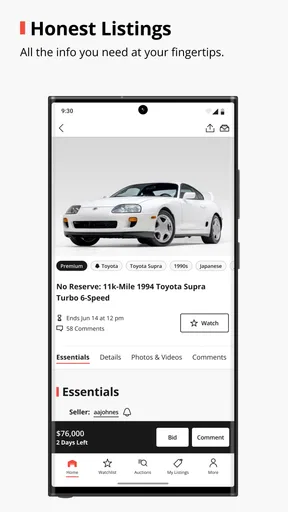
- Detailed listings include photos, specifications, and vehicle history.
- Expert and community comments can reveal useful ownership insights.
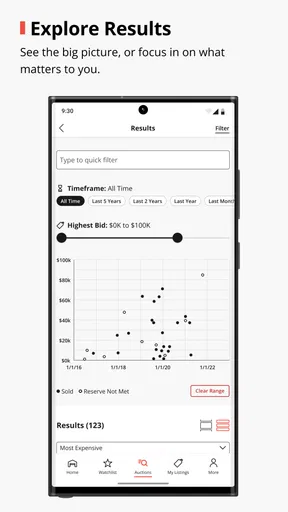
- Auction results help users compare market prices for similar vehicles.
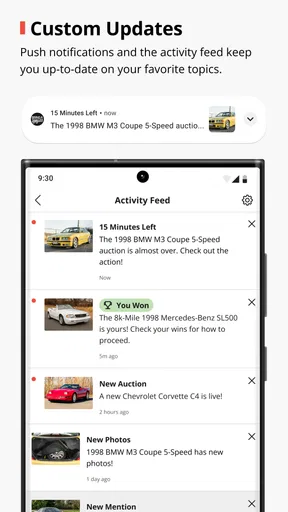
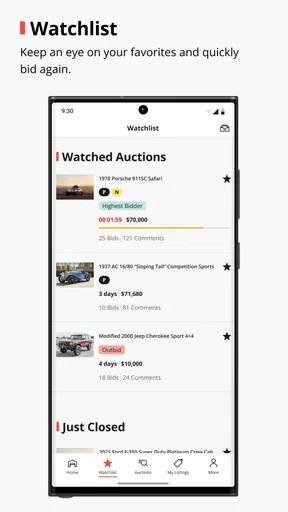
- Bidding activity and updates make it easy to follow active auctions.
- The platform offers a broad selection of enthusiast and collector vehicles.
Limitations of Bring a Trailer Auctions
- Some listings may require careful independent verification of condition.
- Competitive bidding can quickly push prices beyond initial expectations.
- Buyer fees and shipping costs can significantly increase the final expense.
- International buyers may face extra paperwork, taxes, and transport challenges.
- Popular auctions can attract heavy competition and last-minute bidding.
Similar Picks in This Category
View All
Android Auto
Google LLC4.1

maxim — order a taxi & food
PT. SITO4.7

Штрафы ГИБДД: проверка с фото
Pays LLC – Штрафы ГИБДД4.7

Номерограм – проверка авто
Авто Ассист4.8

Дром Авто
Дром4.9

Frequently Asked Questions
What is Bring a Trailer Auctions?
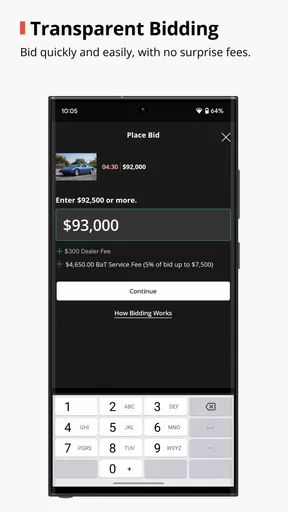
Bring a Trailer Auctions is an online marketplace focused on enthusiast vehicles, including classic cars, modern performance models, motorcycles, trucks, and unusual automotive collectibles. Listings typically include detailed photographs, specifications, ownership information, service records, and a timed auction. Interested buyers can review the listing, ask questions, follow bidding activity, and place bids before the auction closes.
How do I place a bid on Bring a Trailer Auctions?
To bid, you generally need to create an account, sign in, and provide the requested contact and payment information. After reviewing the vehicle’s description, condition details, seller comments, and auction history, you can enter a bid amount that meets the required increment. Remember that a winning bid is usually a binding commitment, so inspect the listing carefully before submitting it.
Are the vehicles on Bring a Trailer inspected or guaranteed?
Bring a Trailer provides extensive listing information and may include seller-supplied documentation, photographs, videos, and comments from the community, but buyers should not assume every vehicle has been independently inspected or guaranteed to be mechanically perfect. Condition descriptions can be subjective. Before bidding, review the disclosures, ask questions, request additional evidence, and consider arranging a professional inspection.
What additional costs should I expect after winning an auction?
The winning bid is not necessarily the total cost of purchasing a vehicle. Depending on the auction terms and your location, you may need to pay a buyer’s fee, sales or use taxes, registration charges, title expenses, shipping, storage, insurance, and import or export costs. Carefully read the specific auction’s terms and confirm payment and pickup requirements before bidding.
Can I cancel a bid or return a vehicle after winning?
Bids on Bring a Trailer are generally intended to be serious and binding, meaning cancellation may not be available simply because you changed your mind. A vehicle purchase also usually does not work like a standard retail return. Before bidding, verify the title status, seller disclosures, mechanical condition, auction terms, and transportation arrangements. Contact the platform’s support team if a serious issue arises.
